

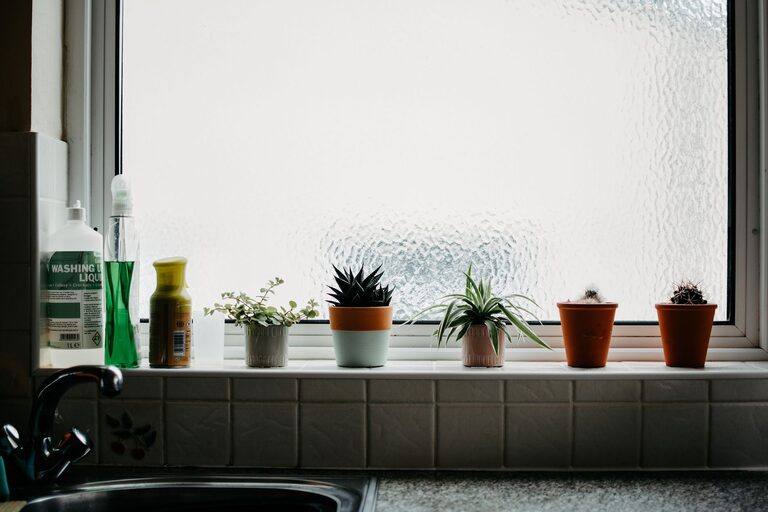
Growing herbs indoors year-round is a rewarding way to have fresh flavors at your fingertips, enhance your cooking, and brighten your living space. Whether you have a spacious kitchen or a small apartment window, creating an indoor herb garden can be simple and enjoyable. This guide will provide practical tips to help your herbs thrive inside throughout the year.
Why Grow Herbs Indoors?
Indoor herb gardens offer several benefits. You get fresh herbs anytime, avoid pesticides, and save trips to the store. Herbs also add beauty to your home and can improve air quality. Plus, caring for plants reduces stress and offers a satisfying hobby.
Choosing the Right Herbs for Indoor Growth
Not all herbs grow equally well indoors. Start with herbs known for adapting to indoor environments:
– Basil: Perfect for sunny windowsills; needs warmth and light.
– Mint: Hardy and fast-growing; tolerates lower light.
– Parsley: Prefers indirect light; can take moderate shade.
– Thyme: Needs plenty of light and good air circulation.
– Chives: Grow well in moderate light and are low maintenance.
– Oregano: Likes bright light and dry conditions.
– Cilantro: Grows best with cool temperatures and bright light.
Try a few different herbs to see what thrives in your home environment.
Selecting Containers and Soil
Containers
Choose pots with good drainage holes to prevent waterlogging, which can harm herb roots. Containers made from terracotta, ceramic, or plastic are all suitable. Consider the size: herbs need enough space for roots to spread but don’t need overly large pots.
Soil
Use a high-quality, well-draining potting mix designed for indoor plants. Avoid garden soil, which can be heavy and contain pests. Some gardeners prefer a soilless mix with peat moss or coconut coir for better aeration.
Providing the Right Light
Most herbs require 6 to 8 hours of sunlight per day. Here’s how to ensure your herbs get enough light:
– Windowsills: South or west-facing windows usually provide the best light.
– Grow Lights: If natural sunlight is limited, use fluorescent or LED grow lights. Position the lights about 6-12 inches above the plants and keep them on for 12-14 hours daily.
– Rotate Plants: Turn pots every few days so all sides receive light evenly.
Watering Tips
Proper watering is key to healthy herbs:
– Water when the top inch of soil feels dry.
– Avoid overwatering; soggy soil causes root rot.
– Use pots with drainage and empty trays to prevent standing water.
– Mist herbs that prefer humidity, like basil, occasionally.
Temperature and Humidity
Most herbs prefer temperatures between 65°F and 75°F (18°C to 24°C). Avoid placing plants near cold drafts or heating vents. Indoor air can be dry, particularly in winter. Increase humidity by:
– Grouping plants together.
– Using a humidity tray with water and pebbles.
– Running a room humidifier if necessary.
Feeding Your Herbs
Indoor plants need extra nutrients because they’re in limited soil volume:
– Use a balanced, water-soluble fertilizer every 4-6 weeks.
– Follow package instructions carefully — more fertilizer isn’t always better.
– Consider organic options like fish emulsion or seaweed extract.
Pruning and Harvesting for Growth
Regularly harvesting herbs encourages bushier, healthier plants:
– Pinch off leaves or stems just above a leaf node (where leaves emerge).
– Don’t remove more than one-third of the plant at once to avoid stress.
– Prune any yellowing or leggy growth to maintain appearance and vigor.
Dealing with Common Indoor Herb Problems
Pests
Watch for pests like aphids, spider mites, or whiteflies. Use gentle insecticidal soap or wipe leaves with a damp cloth to manage infestations.
Diseases
Root rot and fungal diseases often come from overwatering or poor air circulation. Ensure proper drainage and airflow to prevent these issues.
Creative Indoor Herb Garden Ideas
– Window Box: A long planter across a sunny window.
– Tiered Plant Stand: Saves space and keeps herbs organized.
– Hanging Pots: Ideal for kitchens or small areas.
– Herb Wall Garden: Vertical planters to display many herbs in small spaces.
Conclusion
Growing your own herb garden indoors year-round is achievable with the right light, watering habits, and care. You’ll enjoy the satisfaction of fresh, fragrant herbs whenever you cook and add a lively touch to your home. Start small, experiment with different herbs, and tailor the environment to what your plants need. Happy gardening!