

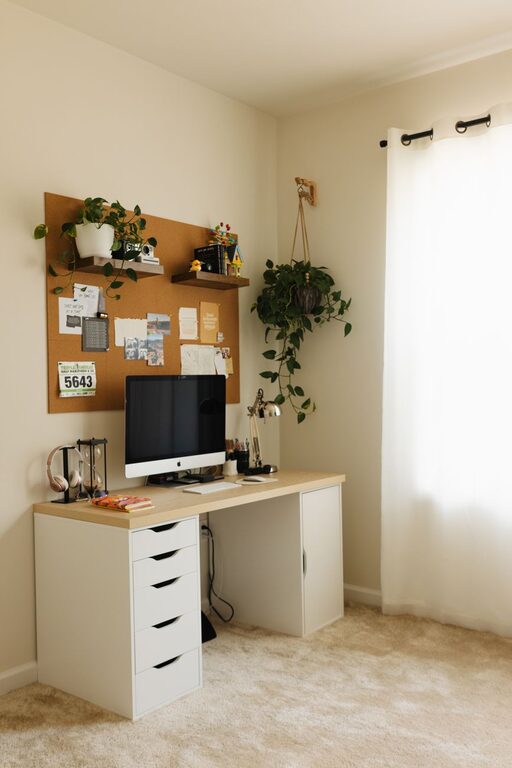
Creating a relaxing home workspace is essential for maintaining focus, reducing stress, and boosting productivity throughout your workday. Whether you work from home full-time or occasionally, having a comfortable and well-organized workspace can make a significant difference in your motivation and overall work quality.
In this post, we’ll explore practical tips for designing a home workspace that promotes relaxation and productivity, helping you create an environment where you can thrive.
Why a Relaxing Workspace Matters
A cluttered, noisy, or uncomfortable workspace can lead to distractions, fatigue, and even burnout. By fostering an environment tailored to your needs, you can improve concentration, reduce stress, and enjoy your work more. A relaxing workspace supports mental clarity and physical well-being, making challenging tasks feel more manageable.
Tips for Creating Your Ideal Home Workspace
1. Choose the Right Location
Find a spot in your home that feels calm and quiet. Ideally, this should be away from high-traffic areas and distractions like the television or kitchen. A dedicated space for work not only minimizes interruptions but also helps your brain associate that area with productivity.
2. Invest in Comfortable Furniture
Ergonomics play a big role in comfort and long-term health. Choose a chair that supports your back and encourages good posture. Your desk should be at a height that allows your arms to rest naturally while typing or writing. Avoid working from your couch or bed as this can lead to discomfort and decreased focus.
3. Keep Your Space Organized
A tidy workspace can help reduce stress and keep your mind clear. Use shelves, drawers, and organizers to keep supplies stored neatly. Regularly declutter your desk, removing items you don’t need daily. A clean space invites calm and helps maintain your workflow.
4. Use Soothing Colors and Decor
Colors influence mood and energy levels. Soft, neutral colors like light blues, greens, or beige can create a peaceful atmosphere. Incorporate personal touches such as plants, artwork, or photos that bring you joy without overwhelming the space.
5. Maximize Natural Light
Natural light uplifts mood and reduces eye strain. Position your desk near a window if possible, and keep window coverings light and adjustable. If natural light is limited, consider high-quality artificial lighting that mimics daylight to keep your space bright and inviting.
6. Control Noise Levels
Noise can be distracting or stressful. Use noise-canceling headphones or play soft background music to mask unwanted sounds. If your workspace is noisy, adding rugs, curtains, or cushions can help absorb sound and create a quieter environment.
7. Personalize Your Workspace Wisely
While personalization adds comfort, avoid overcrowding your desk with too many items. Keep essential tools handy and add a few small personal elements that promote happiness and motivation, like a favorite mug or a motivational quote.
8. Incorporate Break Spaces
Even within a home office, designate a small area for short breaks. This might be a comfortable chair nearby or a corner with a cushion. Taking regular breaks away from your desk refreshes your mind and prevents burnout.
9. Manage Technology Thoughtfully
Organize your cables to avoid clutter using clips or cable trays. Keep your devices charged and within easy reach but avoid having multiple screens or gadgets that can cause distraction. Using apps or tools that minimize digital interruptions can also help maintain focus.
10. Add Greenery
Indoor plants bring fresh air and a calming presence. Choose low-maintenance plants like succulents or spider plants that thrive indoors. Even a small pot on your desk can reduce stress and improve your mood.
Maintaining Your Relaxing Workspace
Creating your ideal workspace is just the first step. Regular maintenance keeps it functional and inviting:
– Daily clean-up: Spend a few minutes at the end of each day tidying your desk.
– Seasonal refresh: Change decorations or rearrange furniture occasionally to keep your space feeling fresh.
– Evaluate comfort: Check if your chair, lighting, or desk setup needs adjustment as time goes on.
Final Thoughts
Designing a relaxing home workspace requires thoughtful planning but delivers significant benefits in productivity and well-being. By selecting a quiet location, investing in comfortable furniture, keeping your area organized, and incorporating soothing elements like natural light and plants, you create a supportive environment for work and creativity.
Remember, your workspace should reflect your personal needs while encouraging focus and relaxation. Take small steps to improve your setup, and enjoy the positive impact it has on your workday.