

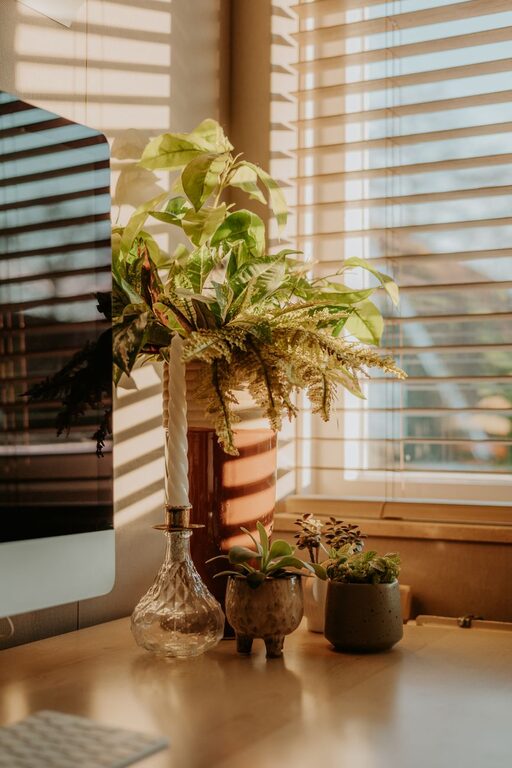
Creating a home office that is both cozy and productive can make a big difference in your work-from-home experience. Whether you’re working remotely full-time or just need a dedicated space for occasional tasks, designing an area that supports your focus while feeling comfortable is key. In this post, we’ll explore practical tips for setting up a home office that helps you stay organized, motivated, and relaxed.
Choose the Right Location
Selecting the ideal spot for your home office is the first step. Your workspace should be quiet and away from distractions like busy living areas or television noise. If possible, pick a room with a door you can close to separate work from home life.
Natural light is another important factor. A space near a window can improve your mood and reduce eye strain. If natural light is limited, invest in good-quality artificial lighting, such as adjustable desk lamps or overhead fixtures with warm, soft light.
Invest in Comfortable Furniture
Comfort and ergonomics matter more than you might think. Spending long hours at an uncomfortable desk or chair can lead to strain and reduce productivity.
– Desk: Choose a desk that fits your available space and allows you to keep all necessary items close at hand. Adjustable desks that can convert to standing height offer flexibility to change posture throughout the day.
– Chair: Look for chairs with good lumbar support and adjustable height. Proper seating encourages good posture and reduces fatigue.
Adding a supportive footrest or anti-fatigue mat can also contribute to physical comfort.
Organize for Efficiency
A cluttered space can clutter your mind. Keeping your home office organized helps you find what you need faster and maintain focus.
Tips for Staying Organized
– Use storage solutions: Shelves, filing cabinets, and desk organizers help keep papers and supplies tidy.
– Go digital when possible: Store documents and notes electronically to reduce paper piles.
– Cable management: Use clips or sleeves to keep cords neat and avoid tangles.
– Daily tidy-up: Spend a few minutes at the end of each day clearing your workspace.
Personalize Your Space
Adding personal touches can make your office feel inviting and inspire creativity.
– Decor: Choose colors and artwork that motivate you or create a calming atmosphere.
– Plants: Indoor plants not only brighten the room but can improve air quality and reduce stress.
– Accessories: Use favorite mugs, inspirational quotes, or meaningful objects to create a positive environment.
Just be careful not to overdo it—too many items can become distractions.
Set Boundaries and Routine
One of the challenges of working from home is blending your work and personal life.
– Define work hours: Set a schedule to help separate work time from leisure.
– Create rituals: Starting your day with a specific routine, like making coffee or reviewing tasks, signals the brain it’s time to focus.
– Minimize interruptions: Use noise-canceling headphones or set “do not disturb” signals when focused tasks require it.
Use Technology Wisely
The right tech tools can support productivity without overwhelming you.
– Reliable internet and devices: Ensure your computer, headset, and Wi-Fi are up to the task.
– Task management apps: Tools like calendars and to-do lists keep you organized.
– Break reminders: Apps can prompt you to take short breaks to avoid burnout.
Maintain Good Air Quality and Temperature
A comfortable room temperature and fresh air help maintain focus.
– Open windows when weather permits to let in fresh air.
– Use fans or heaters to maintain a comfortable temperature, ideally between 68-72°F (20-22°C).
– Indoor plants mentioned earlier can also help improve air quality.
Take Breaks and Move
Remember that productivity doesn’t mean staying glued to your desk.
– Stand up and stretch every hour.
– Take short walks, even within your home, to refresh your mind.
– Use a timer or app to remind yourself to take these breaks.
—
Creating a cozy and productive home office is about balancing comfort and function. By choosing the right spot, investing in quality furniture, staying organized, personalizing your environment, and managing your work routine, you can build a space that supports your best work and wellbeing. Happy decorating!